

Archive

2025

Browsing

Your wedding shoes do more than complete the outfit—they decide how confidently (and comfortably) you’ll glide down the aisle, pose for photos, and dance the night away. Here’s a clear, practical guide to picking a pair you’ll love from “I do” to last call—plus smart tips to avoid common mistakes. When you’re ready to browse, explore curated styles at Rosatina bridal shoes or the full collection at Rosatina.

1) Start with your venue and vibe

Before falling for a pair, map the ground you’ll cover.

  • Outdoors (grass, garden, beach): Choose block heels, platforms, wedges, or elegant flats to avoid sinking or slipping. Consider heel protectors for lawns. 
  • Historic sites & cobblestone: Low, stable heels or flats; ankle straps for security. 
  • Ballroom & smooth floors: Any heel height works—prioritize traction and ankle support for dancing. 
  • Overall aesthetic: A minimalist gown loves a sleek pump or barely-there sandal; romantic lace pairs beautifully with embellished or lace-overlay shoes; modern silhouettes shine with sculptural heels or mules. 

2) Fit and comfort are non-negotiable

You’ll be on your feet for hours. Look for:

  • Balanced heel height: 2–3 in (5–7.5 cm) is the sweet spot for most; higher can work if you’re used to it or if there’s a platform. 
  • Support & security: Ankle straps, sturdy counters, and a snug (not tight) fit at the midfoot. 
  • Cushioning: Padded insoles, especially at the ball of the foot. Add gel pads if needed. 
  • Toe shape that suits you: Almond or round toes are more forgiving; pointed toes elongate the leg but can pinch if narrow. 
  • Width options: If you have wider feet or bunions, look for wider lasts or soft uppers (nappa, satin with give). 

Pro tip: Feet swell later in the day. Try on shoes in the afternoon and walk on both hard and soft surfaces for a realistic test.

3) Match shoe height to dress tailoring

Your heel height determines your hem. Bring your shoes (or a near-identical height) to every fitting so your seamstress can set the length perfectly—no tripping, no tugging. If you plan to change into shorter heels or flats for dancing, discuss a hem that still skims the floor gracefully.

4) Coordinate color, texture, and details

  • Shades of white: Bridal whites vary—optical white, ivory, champagne. Compare under natural light with your gown. 
  • Metallics as neutrals: Silver, gold, or rose gold read “bridal” and rewear beautifully. 
  • Something blue: A pale-blue satin sandal or cobalt pump is a charming twist. 
  • Embellishments: Pearls, crystals, bows, and lace add romance—just ensure they won’t snag delicate hems. 
  • Personalization: Monograms, dates, or a custom insole message add keepsake magic. 
5) Choose a style that fits the day (and you)

  • Classic pump: Timeless, leg-lengthening, easy to rewear. 
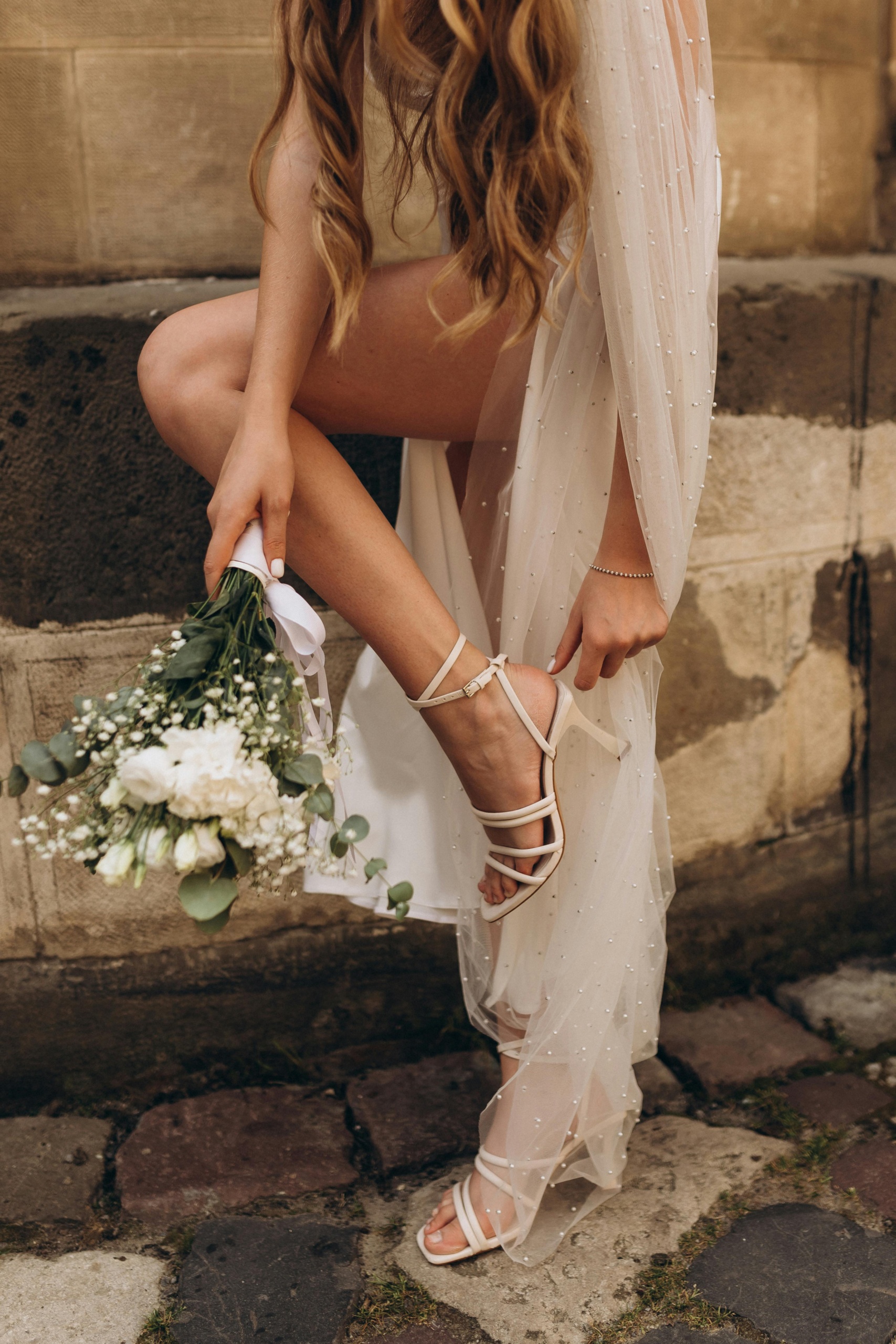
  • Ankle-strap sandal: Delicate look with added stability. 
  • Block heel: Best all-rounder for comfort and outdoor settings. 
  • Platform: Extra height, less arch strain. 
  • Flats/ballets: Chic and practical; perfect for tall brides or all-day comfort. 
  • Mules or slingbacks: Modern and airy—ensure the fit is secure. 
  • Booties: Luxe for winter or fashion-forward brides; great under shorter dresses or suiting. 

Browse curated silhouettes across these categories at Rosatina bridal shoes.

6) Materials that look luxe and last

  • Satin & silk: Classic bridal sheen; can be water-sensitive—consider protector spray. 
  • Nappa or kid leather: Soft, molds to your foot; easy to clean. 
  • Suede: Plush and elegant; best for dry venues. 
  • Lace overlay or glitter: High impact—check comfort at seams and that glitter is sealed. 

7) Timeline: when to buy and break in

  • 8–12 weeks before the wedding: Order your shoes so they’re ready for dress fittings. 
  • 4–6 weeks out: Wear them at home on clean floors for 30–60 minutes at a time. Add pads if needed. 
  • 1–2 weeks out: Do a full “wedding-day rehearsal” walk—in your undergarments and dress hem—to confirm comfort and length. 

8) Budget smartly

Invest most where it matters: fit, support, and quality materials. If you want a dramatic ceremony shoe and a dance-friendly pair, split the budget between a hero heel and a comfortable backup (or a single versatile block heel that does both).

9) Weather and season proofing

  • Summer: Breathable styles; anti-slip grips for sweaty floors. 
  • Winter: Closed toes or booties; consider velvet or richer textures. 
  • Rain plan: Pack a clear umbrella and have wipes and a quick-dry cloth in your kit; use protector spray on satin or suede in advance.

10) Pack a tiny shoe-care kit

Include gel pads, blister patches, fashion tape, heel protectors (for lawns), alcohol wipes, and a mini cloth. Assign someone to carry it so you don’t have to.

11) Think beyond the wedding day

Choose a pair you can rewear to anniversaries or formal events. Metallics, nudes, or a signature color are the most versatile—and a lovely reminder long after the cake is gone.


If you’ve ever stood in front of a mirror, holding up ten different pairs of glasses, squinting and tilting your head like you’re auditioning for a spy movie, then you know: choosing the right frames is not as easy as it sounds. Round? Square? Oval? Hexagonal? (Okay, let’s not go there yet.)

Glasses are more than just a tool to help you see the bus number from afar or read the tiny print on food packets. They’re fashion statements, confidence boosters, and sometimes even personality-defining accessories. So, when it comes down to the battle of round vs. square glasses, which side should you take?

Grab your favourite drink, and let’s settle this face-off once and for all.

Why glasses shape matters more than you think

Think of glasses like hats- not every hat looks good on every head. Similarly, not every pair of glasses complements every face shape. Some frames sharpen your features, while others soften them. And then there are frames that make you look like you’ve borrowed specs from your grandma’s drawer. (We’ve all been there.)

The shape of your glasses can:

  • Highlight your cheekbones
  • Balance out sharp or soft features
  • Make your face look longer or wider
  • Give you an instant glow-up (no skincare required)

So yes, the shape matters. Big time.

Team Round

Round glasses have a certain vibe. Think John Lennon, Harry Potter, or even modern-day influencers with that artsy, intellectual look. These frames are soft, minimal, and give off a vintage charm that feels effortlessly cool.

Why people love round glasses

  • They soften sharp angles. If your face has strong jawlines or square-ish features, round glasses help balance them out.
  • They scream creativity. Something about circles just makes you look like you paint on weekends or write poetry at coffee shops.
  • Retro never goes out of style. Round glasses have been “in” for decades and still look fresh.

Who round glasses suit best

  • Square faces: Round frames help soften the jaw and add balance.
  • Diamond faces: They balance high cheekbones and draw attention to the eyes.
  • Heart-shaped faces: The soft curves help tone down a wider forehead.

When to avoid round glasses

If you already have a round face, circular frames can sometimes make it look too round—like a full moon situation. Unless you’re aiming for the ultra-cute, cuddly vibe, you might want to tread carefully here.

Team Square

Square glasses are bold, modern, and unapologetic. They give you that “I know what I’m doing” energy—even if you’re just trying to figure out how to assemble IKEA furniture without crying.

Why people love square glasses

  • They sharpen soft features. If your face is rounder, square frames add structure.
  • They look powerful. Perfect for people who want to look confident and in control.
  • Versatility. Square glasses come in endless styles, from oversized to sleek minimal frames.

Who square glasses suit best

  • Round faces: They give definition and balance.
  • Oval faces: Oval is the lucky one—almost everything looks good, but squares add edge.
  • Heart-shaped faces: Square frames can balance the wider forehead with the narrower chin.

When to avoid square glasses

If you already have sharp, angular features, square frames can sometimes exaggerate them and make your look harsher than intended.

Round vs. square: A face-shape breakdown

Okay, let’s get into specifics. Here’s the cheat sheet:

  • Round face: Go for square or rectangular to add angles. Avoid round (unless you’re into the extra-round aesthetic).
  • Square face: Round frames are your best friend—they soften the jawline.
  • Oval face: Lucky you! Both round and square look amazing. You can’t lose.
  • Heart-shaped face: Both can work. Round softens, square balances. Pick based on mood.
  • Diamond face: Round works beautifully by balancing cheekbones. Square can work if you want to highlight sharpness.

Lifestyle check: Which glasses match your vibe?

Beyond face shape, your lifestyle and style preferences matter too.

Round glasses fit if you’re:

  • The artsy, free-spirited type who loves bookstores, indie music, and plants that you occasionally forget to water.
  • Into vintage fashion or retro accessories.
  • The kind of person who can rock messy buns, oversized sweaters, and still look put together.

Square glasses fit if you’re:

  • More into sharp, chic, and professional vibes.
  • Someone who likes a “structured” wardrobe—think blazers, clean lines, and monochrome fits.
  • The kind of person who gets compliments like, “You look so confident!”

What your glasses say about you?

People often say we shouldn’t judge a book by its cover, but let’s be honest glasses speak louder than words.

  • Round glasses: “I’m creative, approachable, and maybe a little quirky. I could give you a great book recommendation.”
  • Square glasses: “I’m confident, practical, and know how to get things done. I could lead a meeting and look stylish doing it.”

Of course, you can switch sides depending on the day. Nothing’s stopping you from being quirky on Monday and bossy on Tuesday.

Fashion and outfit pairings

Glasses aren’t worn in isolation—they’re part of your whole vibe.

  • Round glasses go best with: Vintage-inspired outfits, casual looks, denim jackets, oversized scarves, and earthy tones.
  • Square glasses go best with: Modern chic fits, office wear, bold prints, and structured jackets.

Basically, round = boho chic, square = power chic.

What about size and colour?

Shape is just one piece of the puzzle. A pair of oversized round glasses can give off a completely different energy than tiny wire rounds. Similarly, thick black square frames versus thin metallic ones? Worlds apart.

Pro tip:

  • Round frames in thin metal = subtle, intellectual.
  • Round frames oversized in colour = quirky, playful.
  • Square frames thick and bold = confident, bossy.
  • Square frames sleek and minimal = modern, stylish.

Can’t decide? Why not both!

Here’s the secret: you don’t actually have to pick a side. Many people own both and switch them up based on mood, outfit, or even the day’s agenda.

  • Monday meeting? Square glasses for that “I’ve got this” energy.
  • Weekend coffee date? Round glasses for that chill, artsy vibe.

Your glasses collection can be like your shoe collection—different pairs for different occasions.

The verdict

So, round vs. square glasses—who wins? Honestly, there’s no single winner. It all comes down to:

  1. Face shape (the science part)
  2. Lifestyle and personality (the fun part)
  3. Outfit and mood (the styling part)

If you love vintage and creativity, round frames will feel like home. If you prefer bold and structured vibes, square is the way to go. Or, if you’re like most of us, you’ll end up with both.

There’s something magical about the rains in India. The way the dry earth soaks up the first drops and releases that sweet smell of petrichor and the lush green hills suddenly waking up from their summer slumber, and rivers flowing with renewed strength, monsoon brings the country alive in ways no other season can.

While many people think twice before planning trips during this time. But people who actually love traveling will tell you that the monsoon is the best time to see India’s raw, untamed beauty. From mist-covered mountains to roaring waterfalls, every corner has a story waiting to be discovered.

CherryOnTopBlog celebrates the magic of monsoon in India, inviting readers to rediscover the soul of travel with destinations like misty Munnar, roaring Cherrapunji, and lush Coorg, where each raindrop enhances the narrative of nature’s untouched beauty.

Sayantini is a well-known blogger who has been inspiring readers since 2013 with her authentic voice and engaging storytelling. Through CherryOnTopBlog, she blends beauty, fashion, lifestyle, and travel into a space that feels both relatable and trustworthy. Her work is recognized for being honest, heartfelt, and deeply connected to the everyday experiences of her audience.

So, if you’ve been thinking about a rainy escape, here’s our list of the best monsoon destinations in India to explore in 2025.

1. Munnar, Kerala

Munnar, Kerala

When the monsoon arrives in Kerala, Munnar becomes a dreamscape. Rolling tea gardens turn a shade greener, clouds hang low on the hills, and tiny streams criss-cross the valleys. The rain enhances everything, the aroma of tea, the quiet of the forests, and even the joy of sipping hot chai at a roadside stall.

If you’re looking for the best monsoon destinations in India, Munnar should be high on your list. Walk through tea plantations, visit Attukad Waterfalls, and lose yourself in the calmness of Eravikulam National Park.

2. Cherrapunji, Meghalaya

Cherrapunji, Meghalaya

Cherrapunji is one of the wettest places on earth, and during the monsoon, it’s nothing short of magical. Imagine standing near the roaring Nohkalikai Falls or crossing the famous double-decker living root bridge while raindrops patter around you.

The misty roads, endless waterfalls, and cloud-filled valleys make this a once-in-a-lifetime experience. For anyone chasing the rains, this is truly among the best monsoon destinations in India.

3.Coorg, Karnataka

Coorg, Karnataka


Coorg is often called the Scotland of India, but during the monsoon, it transforms into something even more enchanting. Coffee estates glisten with fresh dew, Abbey Falls roars in full glory, and the landscape feels like it’s straight out of a painting.

Whether you’re trekking through Pushpagiri Wildlife Sanctuary or simply enjoying the smell of wet coffee beans, Coorg has a charm that’s best experienced in the rains. No wonder it’s considered one of the best monsoon destinations in India for nature lovers.

4. Valley of Flowers, Uttarakhand

Valley of Flowers, Uttarakhand

If there’s one place that defines the magic of monsoon, it’s the Valley of Flowers. Every year during July and August, this UNESCO World Heritage Site blooms with hundreds of colourful flowers, covering the valley like a giant carpet.

The trek might be challenging in the rain, but every step is worth it. With clouds floating around and Himalayan peaks peeking through, it’s a surreal experience. That’s why it’s counted among the best monsoon destinations in India for trekkers and photographers.

5. Lonavala, Maharashtra

If you live in Mumbai or Pune, you don’t have to travel far to enjoy the rains. Lonavala is the go-to monsoon getaway, famous for its waterfalls, misty hills, and endless greenery. Bhushi Dam and Tiger’s Leap are must-visits, especially when rain adds to their beauty.

Add a hot plate of vada pav to the mix, and you’ll know why locals swear by this hill station as one of the best monsoon destinations in India.

6. Shillong, Meghalaya

Shillong, Meghalaya

Shillong, often called the Scotland of the East, is breathtaking during the monsoon. The hills are draped in green, waterfalls gush with all their might, and the air feels fresh and alive.

Take a walk through the charming streets, visit Elephant Falls, or simply sit by Umiam Lake and watch the rain. For those who love slow, soulful travel, Shillong easily ranks among the best monsoon destinations in India.

7. Alleppey, Kerala

Alleppey, Kerala

Floating in a houseboat through Kerala’s backwaters is always special, but when it rains, the experience becomes unforgettable. The water reflects grey skies, coconut trees sway in the breeze, and the sound of raindrops on the roof adds to the calm.

Alleppey is perfect for couples or anyone looking for peace and slow travel. It’s a place where monsoon creates poetry. Without a doubt, it belongs on the list of best monsoon destinations in India.

8. Mount Abu, Rajasthan

The only hill station in Rajasthan, Mount Abu, wears a different charm in the rains. Nakki Lake brims with water, the Aravalli ranges glow with greenery, and the Dilwara Temples shine against the cloudy backdrop.

It’s a peaceful retreat, less crowded compared to other hill stations, yet equally captivating. For those looking for a unique twist to their rainy travels, Mount Abu deserves a spot among the best monsoon destinations in India.

9. Wayanad, Kerala

Wayanad, Kerala

Wayanad is a land of spice plantations, caves, and lush forests. During monsoon, everything here feels fresh and alive. The Edakkal Caves look mysterious, waterfalls like Meenmutty and Soochipara are at their strongest, and the wildlife sanctuaries are thriving.

Wayanad is also famous for the ‘Neelakurinji’ flowers, which bloom once in 12 years. If you’re lucky enough to witness it, you’ll know why travellers call it one of the best monsoon destinations in India.

10. Mahabaleshwar, Maharashtra

Mahabaleshwar, Maharashtra

Mahabaleshwar is another hill station that becomes irresistible during the monsoon. The viewpoint at Arthur’s Seat offers stunning views of rain-filled valleys, Venna Lake looks serene, and strawberries taste even sweeter in the cool weather.

It’s a perfect blend of adventure and relaxation, making it one of the best monsoon destinations in India for families and couples alike.

11. Kodaikanal, Tamil Nadu

In Tamil Nadu, Kodaikanal takes on a fairytale-like charm during monsoon. The forests around are wrapped in mist, lakes shimmer with raindrops, and treks become more exciting. Silver Cascade Falls and Coaker’s Walk are must-visits in this weather.

For those who love quiet and romantic getaways, Kodaikanal is undoubtedly one of the best monsoon destinations in India.

Travel Tips for Exploring India in the Monsoon

Travelling during the monsoon needs a little extra planning. Here are some detailed tips to make your trip smooth:

  • Pack smart: Carry light raincoats, quick-dry clothes, and waterproof shoes. Umbrellas are handy but don’t work well in windy hill stations.
  • Keep buffer time: Trains and flights may get delayed due to weather, so keep an extra day or two in your itinerary.
  • Stay connected: Some regions, especially in the Himalayas and Northeast, face network issues. Download offline maps before you go.
  • Eat wisely: Stick to freshly cooked food and bottled water to avoid stomach issues that can happen in damp weather.
  • Travel insurance: Unexpected cancellations or medical emergencies are common in the monsoon. It’s best to be covered.

Things No One Tells You About Travelling in the Monsoon

Most travel guides paint only the pretty picture, but here’s the real truth you’ll be glad to know before you go:

  • Leeches are real: In places like Kerala and Meghalaya, you might encounter leeches during treks. They’re harmless, but carry salt or lime to remove them.
  • Roadblocks happen: Landslides are common in hilly regions. Always check local news before heading out.
  • Unexpected joys: Locals are often friendlier and more relaxed during the off-season. You’ll find stories and warmth that peak season tourists miss.
  • Cheaper stays: Hotels and homestays slash their prices, so you get luxury experiences at half the cost.
  • Photographs are dramatic: Cloudy skies, mist, and rain-soaked landscapes make for stunning travel photos.

Why Monsoon Travel in 2025 Is Worth It

The monsoon is not just a season in India—it’s an emotion. It teaches you to slow down, to enjoy a hot cup of chai while listening to the rain, to appreciate nature’s raw power. While summer and winter get most of the tourist attention, the rains reveal a different, often more beautiful, version of India.

If you’re planning your next adventure, pick one of these best monsoon destinations in India in 2025. Whether it’s the flower-filled meadows of Uttarakhand, the misty tea gardens of Munnar, or the quiet charm of Udaipur’s lakes, you’ll carry memories that stay longer than the season itself.

Final Thoughts

Monsoon in India is not just about rain; it’s about renewal. It’s about watching nature paint everything fresh, about sipping tea while clouds roll in, and about finding joy in the simplest of things.

From Kerala’s backwaters to Meghalaya’s waterfalls, every destination tells a different story. These are not just places to tick off a list, but experiences that stay with you long after you’ve left.

So, in 2025, when the rains arrive, don’t hide indoors. Pack your bags, pick one of the best monsoon destinations in India, and let the season surprise you.


When I decided to see the unseen, untasted beauty of North Bengal, everyone kept warning, “Not the best season to go!” Friends said the roads would be slippery, the tea gardens too muddy, and the views covered in fog. But my heart whispered otherwise.

I packed my bag anyway and boarded a shared car to Tinchuley. What I discovered wasn’t just a hill station—it was the joy of owning every corner of a place that usually buzzes with tourists.

That trip changed the way I look at travel. And here’s why you, too, might want to give off-season North Bengal a chance.

Cherryontopblog

CherryOnTopBlog, founded and thoughtfully curated by Sayantini, has earned its reputation as a trustworthy Indian beauty, fashion, and lifestyle platform, thanks to its honest, experience-based reviews and engaging storytelling.

The Travel category is a standout section—not just an afterthought—where Sayantini artfully blends personal narrative with practical insights, offering readers immersive travel stories, detailed itineraries, and soulful inspiration.

Whether you’re planning your next getaway or daydreaming from home, Cherry On Top’s travel posts consistently deliver an authentic, warm, and expert-driven lens into destinations both familiar and offbeat.

Silence Becomes the Real Luxury

Traveling Takdah

Traveling off-season is like booking a premium experience—except you don’t pay for it.

In Takdah, a place usually busy with travellers in peak season, I found myself sipping tea at a local homestay balcony where the only sound was raindrops tapping the roof. No honking cars, no crowd waiting for selfies at viewpoints—just silence and me.

There’s something liberating about sitting quietly in a spot where, during peak season, you’d probably be queuing to take turns for a picture.

In Tinchuley, I walked through orange orchards without meeting a single soul. In Sittong, kids from nearby houses became my only “tourist crowd.”

This silence feels like the luxury we city-dwellers constantly crave.

Weather Adds Its Own Drama

Who said fog and drizzle spoil a trip?

The clouds rolling over Takdah’s colonial bungalows looked straight out of an old movie set. Walking in the misty lanes felt more magical than any “clear blue sky day.”

In Sittong, the orange blossoms had tiny raindrops on them, sparkling like nature’s own fairy lights. The river Teesta, swollen with rain, roared in the distance—it was dramatic, almost poetic.

Yes, the umbrella became my best friend, and yes, my shoes got dirty—but isn’t that part of the story we later cherish?

Homestays Treat You Like Family

During peak season, homestays are packed. Owners are busy managing guests. But off-season? They treat you like a long-lost cousin.

In Tinchuley, my host insisted I join the family for dinner instead of eating separately. We had piping hot dal-bhat, homegrown vegetables, and chicken cooked in earthy spices. They even shared stories about how these villages change with seasons—orange harvests in winter, mist in monsoon, crisp skies in autumn.

In Takdah, an elderly host lit up a fire in the kitchen and brewed me ginger tea. We sat and spoke for hours, something that rarely happens when they’re rushing between guests in peak months.

Off-season gives you something money can’t buy—real connections.

Offbeat Trails Truly Feel Offbeat

Everyone wants “offbeat destinations” these days. But let’s be honest—once the Instagram crowd discovers a place, it doesn’t stay offbeat anymore.

Take Sittong for example. In winter, it’s known as the Orange Village, and the place overflows with tourists. But during the rains? The orchards are empty. You walk into lanes where the only company are birds and butterflies.

In Takdah, I explored a moss-covered monastery where I was the only visitor. The silence there was surreal—it almost felt like the mountains were speaking to me.

And in Tinchuley, the trails leading to hidden waterfalls were mine alone. No one photobombed my view, no rush to “cover all points.” I could sit by the stream as long as I wanted.

Travel Becomes Kinder to Your Pocket

To be very honest, travel is not just about experiences, it’s also about budget.

During the off-season, homestay tariffs in Tinchuley and Takdah drop drastically. Even shared cars become more negotiable. Guides, too, have more time and often agree for half the usual price.

In fact, my two-night stay in Sittong (including food) cost less than what I’d normally spend in Darjeeling for a day during peak season.

When the place itself feels luxurious—peace, food, nature—you don’t miss fancy resorts.

The Real Photos Come Alive

You know those touristy pictures with twenty heads in the background? Off-season saves you from that.

In Takdah’s orchid centre, I had the whole greenhouse to myself. I clicked photos of orchids in every shade without worrying about blocking someone’s frame.

In Tinchuley, a local helped me reach a hidden viewpoint where I took pictures of the Teesta and Rangeet rivers meeting. Normally crowded, but that day—completely empty.

Even the mist in photos looked magical, almost like a filter I didn’t have to add.

Conversations With Locals Turn Into Stories

Locals open up when they’re not too busy.

In Sittong, an old farmer told me how the orange trade has changed their economy over decades. In Takdah, I met a lady who had worked in the tea gardens for 30 years—she spoke about how tea plucking feels different in each season.

These were not “tour guide” stories. They were lived experiences, told slowly, with warmth. And when you listen, you realise travel is not just about places, but people too.

The Roads Less Travelled Feel Safer

Strangely enough, traveling off-season sometimes feels safer.

During my trip, drivers were more cautious (thanks to empty roads). Homestay hosts checked in on me more often, ensuring I had food and warmth. Even trekking trails, though slippery, felt safe because there was no rush of tourists running up and down.

Off-season, the mountains embrace you with a slower rhythm.

Why I’ll Always Choose Off-Season Again

That one trip to Tinchuley, Takdah, and Sittong in the rains rewired something in me.

I realised travel is not about ticking off places—it’s about pausing, listening, and living with a place, not just in it.

Would I have loved the clear winter skies of Darjeeling? Sure. But would I trade that for the silence of an empty trail in Sittong where the only sound was my heartbeat and the rain? Never.

A Few Tips If You Plan Your Off-Season North Bengal Trip

  • Carry sturdy shoes and a good raincoat (trust me, you’ll thank yourself).
  • Keep some extra travel time—roads may be slower in the rains.
  • Book homestays directly with locals for better deals.
  • Don’t expect perfect weather rather embrace the unpredictability.
  • Carry books or a journal, misty evenings invite reflection.

Final Thought: The Joy of Owning a Place (At Least For a While)

Traveling off-season in North Bengal felt like the mountains whispered, “Thank you for coming when no one else does.”

When you stand at a viewpoint in Takdah with clouds wrapping you in silence or sip hot tea in Tinchuley while rain dances on orange orchards, you realise—the best trips are not about season, but about heart.

And sometimes, the heart beats louder when the crowd is gone.

How often have the flaky white dusting particles ruined your great hair day? Research suggests that every 1 out of 2 people is suffering from dandruff. These pesky little flakes are nothing to take lightly. While they may not cause any major infection at first, they can be annoying and sometimes downright stressful. Don’t worry! Our fellow readers, a reliable and effective anti dandruff shampoo is the answer to this nagging problem.

Anti dandruff shampoos are crafted with special ingredients and formulations to deal with these white flakes. And, no, they don’t just clean them off; the best shampoos make sure these flakes do not come back.

In this article, we’ll help you find the best anti dandruff shampoo that suits your hair and scalp types.

Find the Best Anti Dandruff Shampoo: Key Factors

Each concern requires a different solution. Here are some important features you must consider to find the best anti dandruff shampoo for your scalp:

Main Ingredients

There are several ingredients that come together to help you fix this issue. Some help clean the scalp while others offer the much-needed nutrition. The trick is to find the formula and ingredients that work the best for you.

Scalp and Hair Type

It is crucial to know what type of scalp you have. It will help address the concern with the appropriate response. If you have a dry or sensitive scalp, chances are it has little to no moisture left. Using gentle shampoos with hydrating ingredients such as glycerine and tea tree oil will offer a much-needed calming sensation for your scalp.

Size and Usage

Depending on your dandruff buildup and scalp condition, you need to find a size that fits you right. Using the shampoo 2-3 times every week can give you amazing results. However, it is recommended to follow the brand instructions or refer to a doctor for the ideal dosage.

Budget and Price

You can opt for trusted brands that offer premium ingredients and a scientifically-backed formula for a safe and effective shampoo. Look for dermatologically-tested products that are FDA approved. You can set a budget to help you narrow down your search. The best anti dandruff shampoo offers highly valuable ingredients at a good price.

Popular Anti-dandruff Shampoo Online Brand in India

Online e-commerce platforms are flooded with several anti-dandruff shampoos claiming to work best on Indian scalps and hair types. But which brand is suitable for your condition? Pilgrim offers some of the best anti dandruff shampoo options online. Its clinically-tested, non-drying anti-dandruff shampoo is infused with the goodness of Australian Tea Tree, Salicylic Acid, Zinc Pyrithione and Piroctone Olamine.

Australian Tea Tree is known for its antibacterial and antifungal properties. The tea tree oil fights the core cause of dandruff, called Malassezia. It also offers a cooling and refreshing effect on your bruised scalp. Salicylic acid breaks down the scalp cells to remove stubborn white flakes. It not only strips away all the dandruff but ensures it doesn’t come back anytime soon. This exfoliation also helps other nutrients to seep into your scalp easily. And finally, Zinc Pyrithione helps reduce the redness and itch, offering you peace of mind.

Dos and Don’ts When Treating Dandruff

Follow these smart tips to make sure your dandruff treatment is safe and effective:

●      Overwashing/ Overusing Product

Most people often think that using more products will help fix the dandruff quicker. This can make the problem worse. If you overuse or overwash your hair, it can irritate your scalp.

●      Quick Results

To remove dandruff buildup, it needs patience. Be consistent in your hair care routine, use shampoo for the mentioned period to see visible results.

●      Cool Water and Thorough Washing

Hot water can really dry your scalp and strip your hair of all the nutrition. Use cool water to lock in all the nutrients and make sure to rinse off all the residue. Leaving clumps of unwashed shampoo can lead to infection or more dandruff in the long run.

●      Styling Products

Your wax, styling gels and hair creams can contribute to buildup. Try to reduce the usage or stay clear for the first week of the treatment for better results. Also, avoid using heating gadgets such as curlers or a dryer.

Wrapping Up

The best anti dandruff shampoo can really take care of the buildup and bring you peace. Follow a proper routine and stay away from any harsh chemical products that can cause any harmful effects. If the dandruff persists for a longer duration or you are seeing much thicker scales, referring to a professional is the right step. Stay Clear! Stay Safe!

Ladies and Gentlemen, in this harsh weather and polluted environments, taking care of your skin should be your top priority. The dust and UV rays can really take away the charm, beauty, and brightness of your skin. Whether you work outside or sit hours in front of your laptop, dull skin is a major concern for every human being. Not anymore! You can tackle this issue with the best serum for skin brightening. 

Are you wondering how one serum can help you bring your glowing skin back? In this article, we’ll dive deeper into the science behind the best skin brightening serum and why it is a must-have in your skincare routine. 

Best Serum for Skin  Brightening: One of the Popular Options 

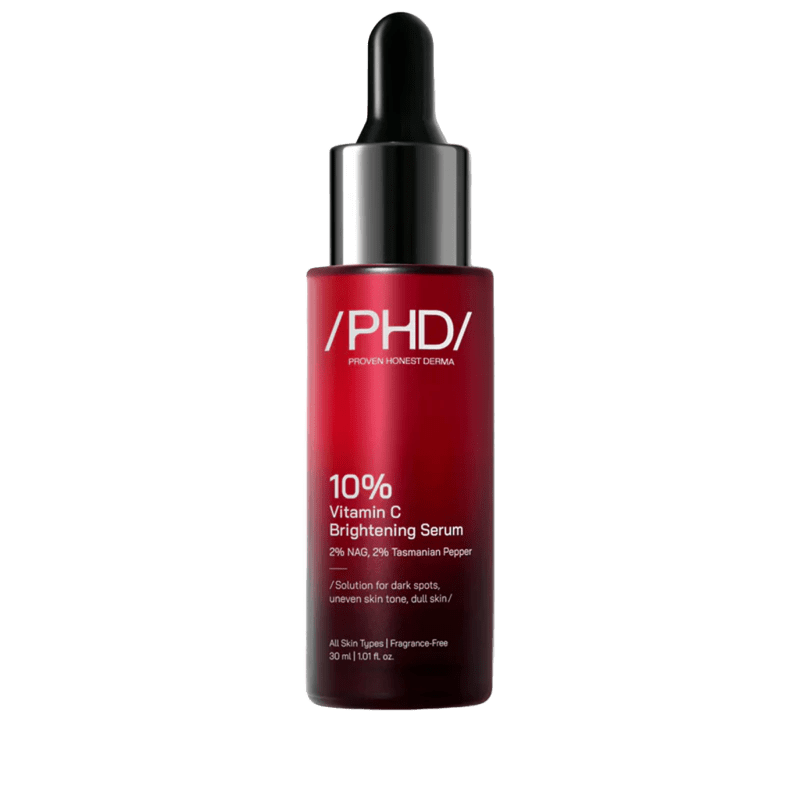
PHD Beauty 10% Vitamin C Brightening Serum

The best serum for skin brightening from PHD Beauty is designed with Vitamin C for an unmatched glow. Let’s unravel the secret formula and key ingredients of one of the popular and potent skin brightening serums in the market: 

Key Ingredients: 

  • 10% Vitamin C 

Unlike most serums, the best serum for skin brightening is fuelled with 10% Ethyl ascorbic acid. This form of Vitamin C prevents skin irritation or redness and suits every skin type. It reduces dark spots and adds a glowing filter over your skin, offering newfound shine and radiance. 

  • 5% Niacinamide and 2% N-Acetyl Glucosamine (NAG)

Niacinamide is the overachiever and all-rounder of your skin care team. It removes excess oil from your skin, reducing the greasy look. It also helps minimise your pores to ensure an even texture and smooth skin. Plus, it acts as a barrier for your skin from external pollutants by offering a smoother and healthier skin complexion. The side partner of Niacinamide is the well-renowned soothing agent – NAG. It offers the much-needed hydration to your skin and reduces tanned areas. 

  • 2% Tasmanian Pepper

The protector of your skin, Tasmanian pepper, is a soothing and potent ingredient from the land down under. It acts as a calming shield and reduces skin irritation, redness, and inflammation. It also strengthens your skin barrier and offers protection against external pollutants.

  • Ferulic Acid and Hydration

Ferulic acid is the power bank of your Vitamin C. It doubles its antioxidant power and makes Vitamin C last longer. Propanediol and Glycerin bring everyday moisturisation and help keep your skin fresh and hydrated. 

  • Fragrance-Free Formula

The best skin brightening serum comes with a fragrance-free formula, which makes it suitable for all skin types and genders. Plus, the lightweight formula feels like water. 

Best Serum for Skin Brightening

How to Apply the Best Serum for Skin Brightening?

Follow this quick guide to help you unlock the true benefits of serums for skin brightening:

  • Prep Your Face

Wash your face with a gentle skin cleanser and lukewarm water to remove any dirt and oil. Once done, pat your face dry. This will create a foundation for the serum to absorb effectively. 

  • Apply the Serum

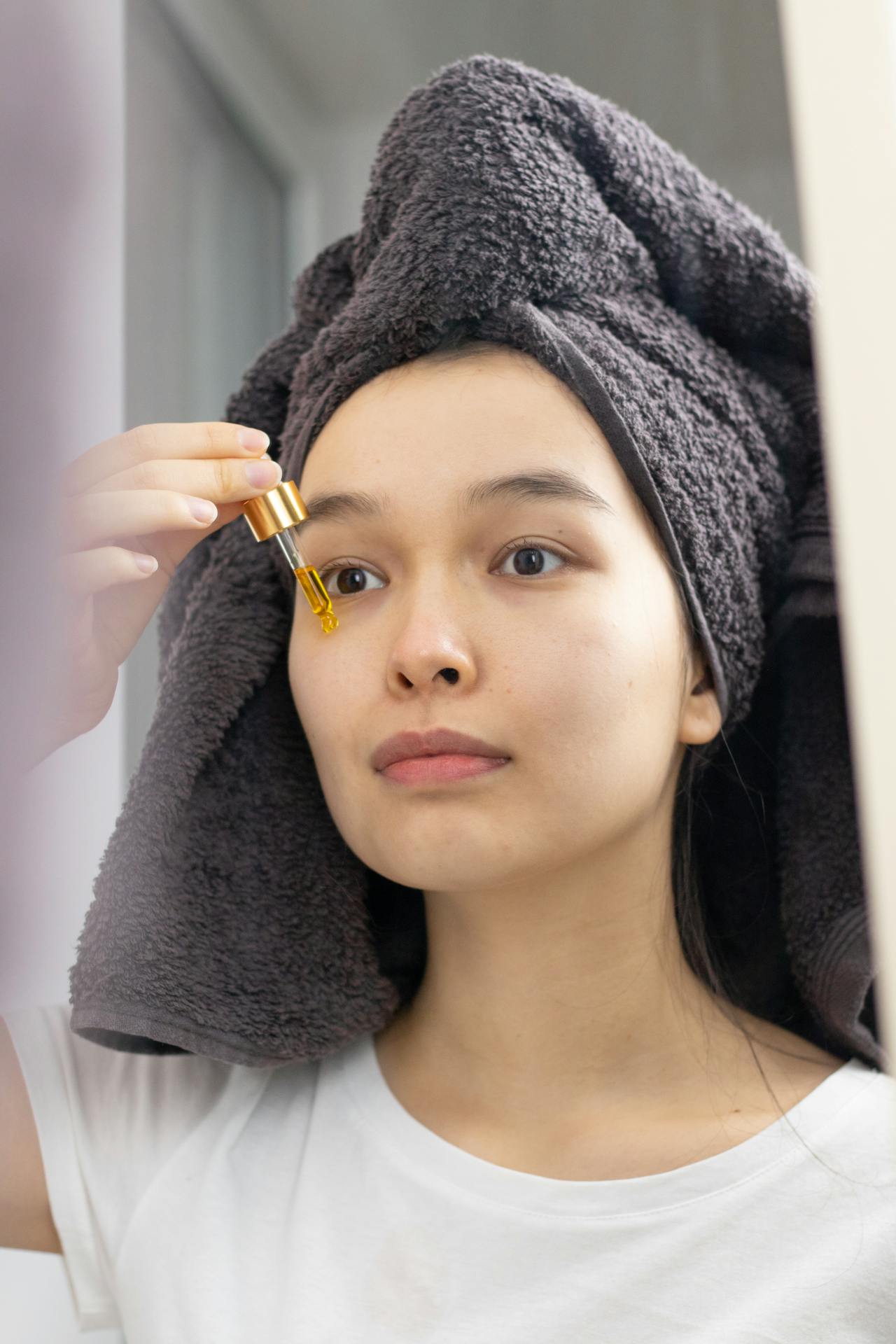
Use the applicator to apply 2-3 drops of the best skin brightening serum on your face. Use your fingers to spread the serum evenly across your face. Do not forget to apply to the neck and chin to avoid uneven skin tone. 

  • Follow Up

While the best serum for skin brightening protects your skin from dust and sunlight, applying an SPF 30 or above is recommended. You can also mix with a hydrating moisturiser to lock in the moisture. 

How to Choose the Best Serum for Skin Brightening?

Here are some tips and key factors you must consider to find a serum that suits your skin:

  • Dermatologically Tested

Look for brands like PHD Beauty that offer products which are globally tested by professionals and are FDA approved. This will ensure that the serum is safe to use and suitable for different skin types without causing any harmful reactions. 

  • Transparency 

The brands that offer a clear picture of the manufacturing and scientific process of the product ensure trust among buyers. Look for detailed ingredient lists, research-based formulas and fair text results.

  • Reviews and Testimonials

Online customer reviews are a great way to judge the effectiveness of a serum. You can look for detailed reviews, their pros and cons, to find out whether the product is for you or not. 

  • Tailored Solutions

Each region has its own climate and with it, specific skin concerns. For a tropical area like India, you need the best serum for skin brightening that is designed specially for Indian skin tones and weather. From higher melanin to skin types prone to damage from humidity and heat, your serum should take care of it all. 

Best Serum for Skin Brightening

Enjoy Radiating Glow With the Best Serum For Skin Brightening

Skin brightening serum can help you rejuvenate your true skin complexion. It is key to know that the best serum for skin brightening works best only after regular use. Include it in your night and day skin care routine to enjoy even skin tone and smooth texture.

Fixing things outside doesn’t always need a full set of tools or a weekend-long plan. Whether it’s a wobbly fence, a busted board, or something that just needs a quick trim, the right tools can turn a long job into a short one. What really makes the difference is using gear that’s easy to handle and actually gets the job done without slowing everything down. There are smart tools out there made to help with exactly that—especially when it comes to outdoor fixes that keep popping up when no one’s really in the mood for them.

A Better Way to Handle Cutting Jobs

One of the most annoying outdoor tasks is anything that involves cutting through wood. Maybe it’s a fence that needs repair, or an old deck board that has cracked. Even small fixes can be a huge pain when using a handsaw. They take forever, and it’s hard to keep the cuts straight.

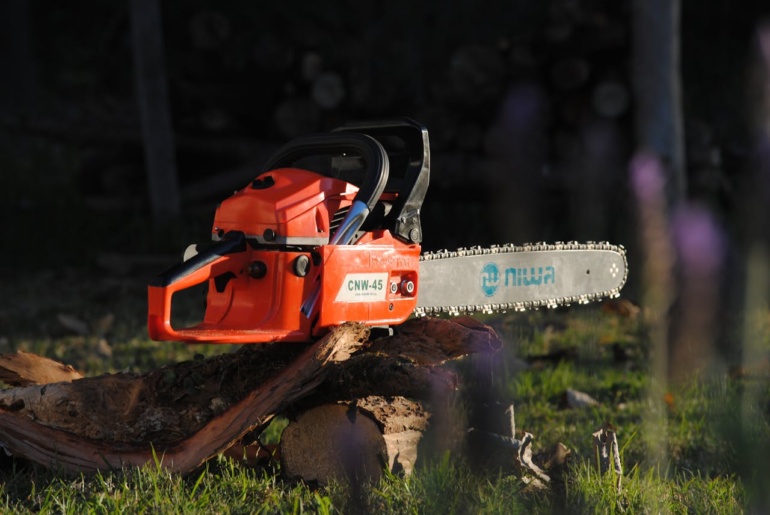
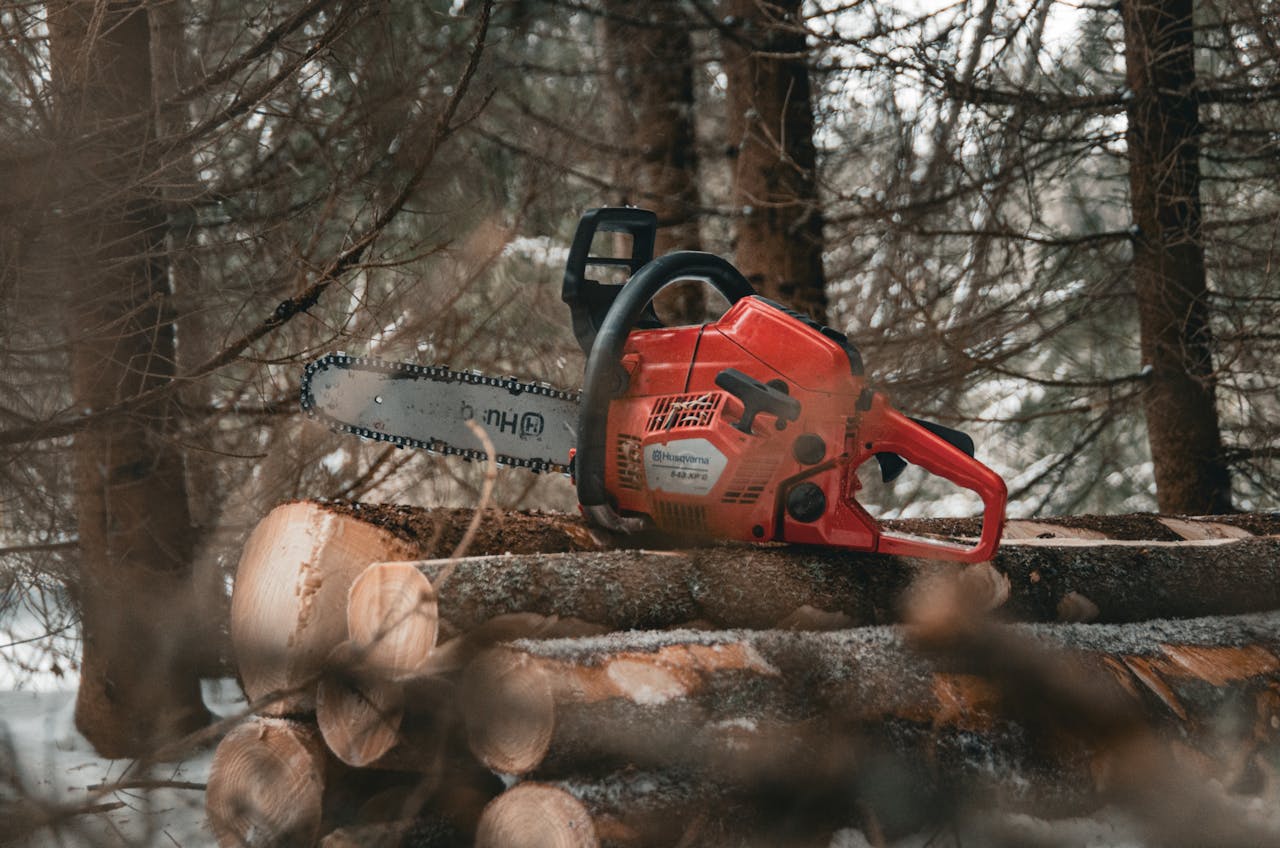
Electric saw for cutting outdoors

A much better option for this kind of work is an electric saw. These saws are powered by batteries or cords and can handle most cutting jobs without all the extra effort. They’re great for people who don’t want to deal with gas tools or anything that’s too loud or heavy. Most electric saws are light, easy to carry, and quick to start. Just press a button and cut. They’re also way more accurate than a handsaw. That means cleaner cuts, fewer mistakes, and a finished job that looks better and holds up longer.

Repairs Without the Stress

Fixing outdoor spaces usually involves more than one thing. Sometimes it’s a piece of trim that cracked from sun damage. Other times, it’s a loose board on a raised bed or something broken in the shed. These aren’t big jobs, but they take time—unless the right tools are available.

Using a strong electric saw helps make quick cuts for these fixes. Pair that with a cordless drill, and most small repair jobs can be finished in less than an hour. There’s no need to drag out heavy saws or fight with cords across the yard.

Having gear that’s quick to grab, easy to move, and doesn’t require a bunch of setup makes it more likely that those small jobs actually get done. That’s where the difference really shows. It’s not about having a bunch of tools but about having the right ones.

Clean Cuts Help Prevent Bigger Problems

When a board splits or something breaks outdoors, waiting too long to fix it can lead to worse problems. Water can get into cracks, bugs can move in, and the damage spreads. Making fast, clean cuts helps get the damaged parts out of the way so new ones can go in. That’s one of the reasons electric saws are helpful. They don’t just cut fast—they cut clean. A smoother edge makes repairs hold up longer because the parts fit better and stay together more solidly. It also means fewer splinters, which is safer for anyone working or walking nearby.

Whether it’s building, replacing, or just trimming something down to size, having a tool that handles those jobs smoothly makes a big difference.

Easy to Use, Even for First-Timers

One of the best parts about newer electric tools is that they’re built for everyday use. No special training is needed. The buttons are simple. The instructions are short. Most even come with safety features that help protect hands and fingers if anything slips. This makes them a smart choice for anyone doing home and garden tasks—even without a lot of experience. It’s way less intimidating to fix a gate or saw off a branch when the tool feels safe and easy to handle.

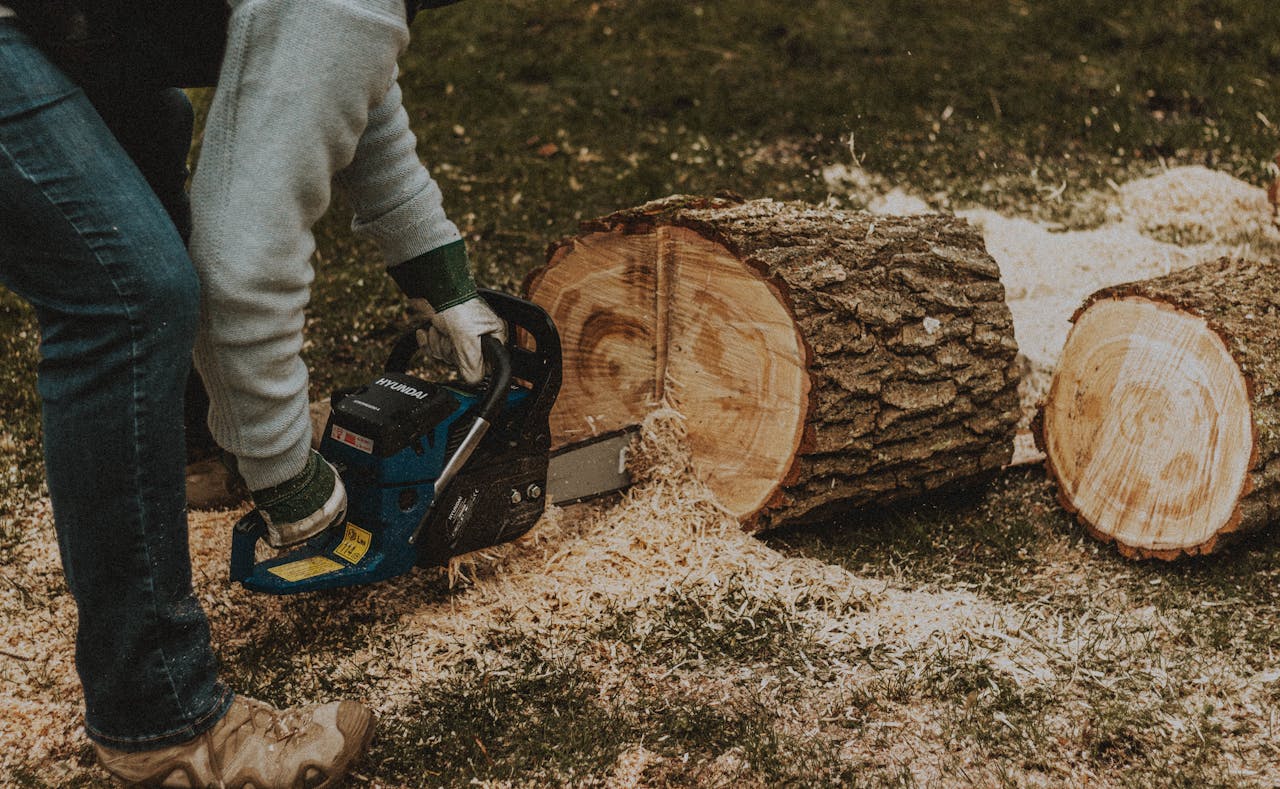
Electric saw for cutting outdoors

And since they’re lighter than gas-powered options, it’s easier to carry them into tight spaces, work overhead, or move around the yard without getting tired too quickly.

Smarter Storage Means Faster Fixes

Having a tool that’s easy to store makes a big difference. No one wants to dig through piles in the garage to find a saw at the bottom of a stack. Most electric saws are compact and don’t take up much space. They can be hung on a wall or kept on a shelf.

As they don’t need fuel or oil, there’s no mess or fumes to deal with. Just charge the battery or plug it in, and it’s ready to go. That kind of convenience means the next time something needs fixing, the tool is already prepped and waiting—not buried under clutter.

More Than Just Wood

Electric saws aren’t only for cutting through wood. Some models can handle plastic pipes, tree branches, or other small building materials. This makes them useful for garden setups, sprinkler repairs, or outdoor furniture upgrades.

Instead of using a separate tool for each job, one saw can often handle multiple tasks. That cuts down on how many tools are needed, which makes organizing and storing them way simpler.

Fewer tools. Less effort. Better results.

The Key Takeaway

Outdoor repairs can feel less like a chore when the right tools are part of the plan. It’s not about having a huge toolbox. It’s about having the ones that save time, work safely, and help get things done without turning into a big project.

Electric saws are one of those tools. They help cut down on stress, mess, and wasted time. Whether it’s trimming wood, fixing a fence, or making something new, they do the job cleanly and quickly. Fixes around the house don’t need to be difficult. With the right tools, they’re just another thing that gets done—and then it’s time to enjoy the space.

Living in a small apartment has its perks, like easy maintenance, cosiness, and affordability. But when it comes to cleaning tight spaces, bulky vacuum cleaners just don’t cut it. 

Thus, you need to have compact, powerful, and cleverly designed vacuums that solve the space issues efficiently. If you’re looking to upgrade your cleaning game, this guide is here to help you explore top-rated vacuums perfect for small spaces.

Types of Vacuums That Work Best in Apartments

Let’s take a quick look at the most practical vacuum types for smaller homes, according to experts like The Shiloh Apartments Blog and Modern Castle:

Stick Vacuums

For daily touch-up cleaning and lightweight debris collection, stick vacuums are slim, battery-powered, and easy to store. They are best suited for hardwood floors and quick cleaning jobs.

Robot Vacuums

These hands-free wonders are smart enough to map out your apartment and clean in your absence. Best used for upkeep, they are less suitable for deep cleaning.

Best Vacuum Cleaner for Small Apartments

Handheld Vacuum

A great choice for furniture, tight corners, and quick messes, especially if you have animals or kids! Often regarded as a backup vacuum.

Compact Canister Vacuum

More powerful than stick vacuums, yet easier to manoeuvre than upright vacuums. Some of the newer compact canister vacuum models can really sneak in small apartments.

The Top Compact Vacuum That Is Worth Considering

For a vacuum cleaner tailored to a small apartment, performance and size matter much. A few compact yet high-performing vacuum cleaners are perfect for tight spaces:

Dyson V15 Detect

An advanced option with smart suction adjustment and a built-in screen shows dust levels. This is great for users willing to pay for the important features of better cleaning abilities in a compact body.

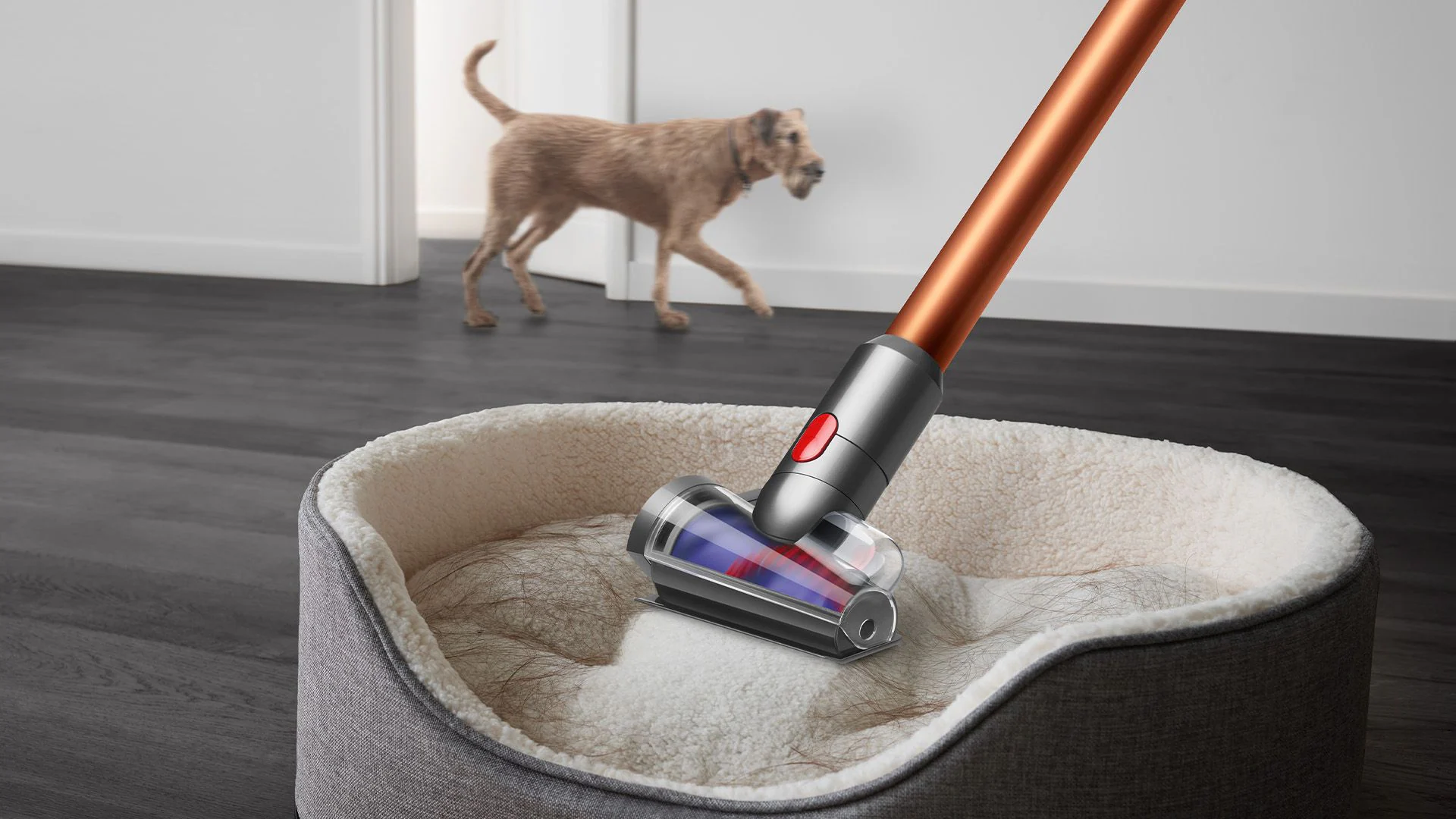
Dyson V15 Detect Best Vacuum Cleaner for Home that are small

Shark Stratos Cordless Vacuum

Power suction is provided in a slim design with or without cords. It works well on carpet, fitted with an odour-neutralising filter—every great advantage for houses with pets.

Samsung Jet 75 Pet

This vacuum cleaner is sleek and powerful, and offers ample battery life and handles various floor types with ease. Its being so lightweight makes it an excellent choice for a studio flat or smaller room.  

Levoit LVAC-200

A lightweight stick vacuum that can be stored almost anywhere. Very reliable in daily use, and it is ideal for light cleaning around small homes. 

Wyze Cordless Vacuum S

It is a good option if you are working with a tight budget and want decent suction that won’t take up much storage space.

Some Practical Tips for Tiny Spaces

Even with one of the best vacuum cleaners, it helps to have a few practical tips to clean more efficiency in a small apartment:

  • First, vacuum more frequently. The dust here settles faster, especially if there is not enough ventilation or if you share the apartment with a couple of pets.
  • Second, start using the attachments more. Crevice nozzle and dusting brush will help you clean the baseboards, the ceiling, and window tracks without having to move the furniture. 
  • Third, remember to clean or replace your vacuum filters as often as the manual recommends. It will help keep suction strong and improve air quality in a confined space.
  • Storage is yet another consideration. Wall-mount it or store it underneath a bed to make it more accessible for use in between. When it comes to doing the time-saving robot setup, a clear route from the charging base back to “home” is a must.

Final thoughts

Cleaning a small space doesn’t have to feel like a big job! With the right vacuum, you can zip through dust, crumbs, and pet hair without dragging a bulky machine behind you or fighting for closet space. 

Whether you love the ease of a cordless stick, the smarts of a robot, or the power of a compact canister, there’s something out there that’ll fit your space and lifestyle just right.

Are you someone who is worried about wrinkles, fine lines, dark spots or even skin cancer? No you are not alone in this!  This is a serious skin cancer for both men and women. Our skin is always exposed and thus we are prone to many skin issues.

Do you wonder why? No, not only due to your liver, kidneys, pancreas or your oily, dandruff full scalp. The sun and its harmful UV rays could be a big reason behind many skin issues.

Studies by National Institutes of Health show 65% to 90% of melanoma cases happen due to UV exposure. The reason behind 90% of skin cancers is also the sun’s harmful UV rays. This also includes basal cell carcinoma and squamous cell carcinoma .

More than 30% of people do not wear sunscreen on a daily basis. This happens mostly due to the sticky texture of the sunscreen, the excessive sweating after application and also many forget to apply before going out or even at home.

But this won’t help. We need to prevent these skin diseases. We need to spread awareness about how harmful these UV rays are. Our goal should be to make people aware about the benefits of sunscreen at large. This blog will guide you on selecting and using the best sunscreen for face according to your skin type.

Sunscreen For Face : Need of the Hour : Why?

We can often read articles and frequently asked questions on social media, how people very conveniently skip the sunscreen for face and body. Yes you are at home, yes it is cloudy outside, yes it is winters or raining outside. But that is not a reason enough to skip your sunscreen.

In fact, studies showed how the flame from the gas oven in the kitchen and the screen lights from the phones and laptops emit rays. These rays are harmful. They can affect your skin which might lead to spotting and early signs of ageing. This exposure leads to wrinkles, sunspots and uneven skin tone.

Can you imagine your skin constantly battling the sun’s harmful rays? Everyday activities like walking to work or sitting by a window expose you to UV radiation. Without proper protection, your skin suffers. Collagen breaks down. That causes premature aging. Sunburns damage skin cells and increase the risk of melanoma.

Another major reason because of which people usually avoid using sunscreen is the after effects. After applying sunscreen, many of us sweat a lot. We at times find a white caste on the face. Some of our faces turn black and oily too. Most importantly, we need to reapply sunscreen almost every 3 hours. But fact is – We Need Sunscreens To Protect Our Delicate Skin.

So, how can you shield yourself from all these dangers, myths and mental blocks? The only answer to that is consistent use of Sunscreen for face.

Embrace Sunscreen For Face For Sun Protection

The first line of defence for your skin against sun damage is using a good broad-spectrum sunscreen with SPF 50 and more. A high quality sunscreen creates a barrier and blocks harmful UV rays. But you must have been confused on which one to buy as there are so many sunscreens there in the market.

Criteria for A Good Sunscreen for Face

  • Your sunscreen should be a physical sunscreen.
  • It should be SPF 50 and above for better sun protection.
  • Your sunscreen should be broad spectrum and PA++++ in nature protecting the skin from UVA and UVB rays.
  • The formula that you will choose should be non-sticky and easily absorbable in skin.
  • Your sunscreen should suit your skin type to provide optimal results.

Types of Sunscreen for Face

There are 3 main types of sunscreen:

Physical(mineral) Sunscreen:

Physical(mineral) sunscreens contain mineral ingredients like zinc oxide and/or titanium dioxide. They remain on top of the skin and physically block UV rays. It is a better option than any other sunscreen. Mineral sunscreen starts working just after application.

Chemical Sunscreen:

Chemical sunscreens use ingredients that absorb UV radiation. They convert it into heat. Then it is released from the skin. They are easy to apply. It takes 15 – 30 minutes to start working after application. It is not advised by dermatologists as some of the chemical filters may get absorbed in the bloodstream.

Hybrid Sunscreen:

Hybrid sunscreens are a mix of both the physical and chemical filters. This type of sunscreen usually provides a broader spectrum to protect the skin. These can be a bit more expensive but it provides a combined benefit.

Choosing the Right Sunscreen for Face According to Your Skin Type

Choosing the right sunscreen is not that easy. But as we say nothing is impossible. So a little bit of research could provide you with the right one. One easy way to get your perfect sunscreen is according to your skin type.

  • Oily Skin – Finding the best sunscreen for oily skin can be a challenge at times. You need oil-free, gel based sunscreens for oily skin. They don’t clog pores. You would not sweat profusely when using a gel based thin textured sunscreen. Like Beauty of Joseon Relief Sunscreen.
  • Dry Skin – You can use a slightly thicker and creamy formula. It will protect your skin from the sun. It also will be hydrating and moisturizes your skin providing more protection. Like Beauty of Joseon Ginseng Moist Sunscreen Serum.
  • Normal Skin – The magic lies here. Your skin type allows you to try out any type of sunscreen.
  • Combination Skin – It’s tricky here. Best would be to go for a gel based sunscreen. That will provide protection and hydration both while preventing sudden breakouts.
  • Sensitive Skin – Due to the sensitivity, it is best for you to opt for fragrance-free and hypoallergenic sunscreens.

Sunscreen Application Tips & More:

  • Apply sunscreen as the last step in your skincare routine Guide, before makeup.
  • Apply it liberally 15-30 minutes before sun exposure. Reapply every two hours, or immediately after swimming or sweating.
  • Don’t forget often-missed areas like the ears, neck, and hairline.
  • Use a separate sunscreen for your face and body. Sunscreen for face is often lighter and less likely to clog pores.
  • Even on cloudy days, apply sunscreen. UV rays can penetrate clouds.
  • You should use about a nickel-sized amount of sunscreen for your face. Make sure to cover all exposed areas.
  • Don’t forget to check the expiration date. Expired sunscreen is less effective.
  • Try to consider mineral sunscreens containing zinc oxide or titanium dioxide.
  • Always read labels and choose products that are appropriate for your skin type.

Debunking Some Sunscreen Myths

Myth: Darker skin people don’t need sunscreen. They don’t get tanned.

Fact: Regardless of skin colour, everyone needs sunscreen. Every skin tone is prone to skin diseases including skin cancer without proper sun protection.

Myth: You only need sunscreen on sunny days.

Fact: The sun is visible every day. Even on cloudy days, the sun might look deemed. But the UV rays are capable of harming your skin without sun protection just the same as any sunny days.

Myth: Makeup with SPF is enough.

Fact: No, makeup with SPF is just not enough. You need a proper sunscreen in the daytime to provide your skin proper protection.

Myth: 3 finger sized sunscreen should be applied on the face.

Fact: Dermatologists suggest only a nickel size amount to apply on the face.

Final Thoughts

Investing in high end brands for moisturizers, face wash, toners and makeup would not help you. It would not stop sun spots, skin diseases, uneven skin tone and skin cancer from appearing.

Investing in a good Sunscreen for face with SPF50 and broad spectrum is an important step. It ensures skin protection from harmful UV rays. Using sunscreen generously is as important as keeping your skin hydrated.

Yes, some sunscreens could give you white cast, some make you sweat profusely. Some of them make your skin feel suffocating. So you just have to follow this guide properly and invest in a good sunscreen which suits you the best.

So don’t wait any longer. Now that you are well aware about the pros and cons of sunscreen, go buy it!

Sunscreen Essentials by CherryOnTopBlog

Your ultimate guide to sun protection that actually works

Effective skincare starts with one non-negotiable step: daily sunscreen protection, and CherryOnTopBlog is your trusted guide to mastering this essential skincare habit. With studies showing that 65% to 90% of melanoma cases result from UV exposure, CherryOnTopBlog champions sunscreen as the foundation of any serious skincare routine. Our skincare experts help you navigate broad-spectrum SPF 50+ formulations, from lightweight gel-based options for oily skin to hydrating creamy formulas for comprehensive skincare protection. At CherryOnTopBlog, we believe true skincare success means protecting your skin from harmful UV rays every single day—making sunscreen the cornerstone of your daily skincare regimen.

Frequently Asked Questions:

  1. How often should one reapply sunscreen?

→ You should reapply sunscreen every two hours, or immediately after swimming or sweating. Even waterproof sunscreens need to be reapplied regularly.

  1. What ingredients should one avoid in sunscreen with oily skin?

→ Avoid sunscreens containing oils, fragrances, or alcohol. These can clog pores and cause breakouts. Look for non-comedogenic formulas specifically designed for oily skin.

  1. Can one use body sunscreen on the face?

→ While you can, it’s generally not recommended. Body sunscreens are often thicker and can clog pores, leading to breakouts. It’s best to use a sunscreen specifically formulated for the face.

  1. Is SPF50 enough?

→ SPF 50 blocks 98% of UVB rays. It’s a good choice for daily use.

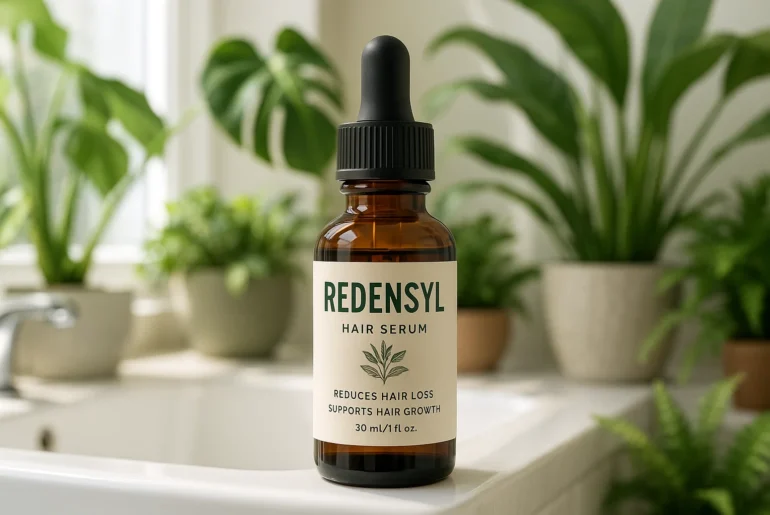
So, you’re probably here because you heard the buzz about Redensyl hair serum, that fancy-sounding ingredient popping up in hair serums everywhere.

Social media is overflowing with almost everyone talking about the best redensyl hair growth serum, and you cannot keep your eyes closed anymore!

They say it can help with hair loss and even make your hair grow back thicker. But is it actually worth your time (and money)?

Let’s break it down-

What Exactly Is Redensyl?

In a nutshell, it’s a blend of plant extracts, amino acids, and other goodies that are designed to wake up your sleepy hair follicles.

Here’s what it claims to do:

  • Kickstart New Hair Growth – It “nudges” your follicle stem cells so they start producing new hair.
  • Boost Blood Flow – More blood = more nutrients for your scalp and hair roots.
  • Calm Things Down – Redensyl hair serum helps reduce scalp inflammation, which can sometimes cause shedding.

Sounds fancy, right? But does it actually work? Let’s see what the science says.

What Does the Science Say?

Ok, so there’s no magic wand for hair growth. But research on Redensyl is actually kind of promising:

  • More Hair in More Places – Clinical studies have shown an increase in hair density (aka, more strands sprouting).
  • Less Shedding – It can extend the “growth phase” of your hair and slow down the shedding phase.
  • Better Quality Hair – Not just more hair, but thicker, stronger, shinier hair too.

BUT — and it’s a big but — everyone’s results are different. Your age, health, hormones, and how bad the hair loss is can all play a role.

How Should You Use Redensyl Hair Serum?

Wondering how to apply Redensyl hair serum? Well, just make it a part of your self-care ritual. Start by washing the hair with a gentle shampoo to clear away oils and buildup from the scalp. A clean scalp is important because it helps the serum reach the roots, where it can actually do its work.

Once the hair is towel-dried and just slightly damp, part it into sections and apply a few drops of Redensyl hair serum directly onto the scalp. Gently massage it in with fingertips, taking a moment to relax and enjoy the soothing sensation.

But, wait! This is not a quick fix, so the serum should be used regularly, exactly as the instructions suggest. Setting a reminder can help keep the routine on track. Hair growth takes time, often several months before results become noticeable. Staying committed to the process is key.

If you are facing excessive and unusual hair loss, you must explore the right hairfall treatment options as early as possible!

Any Side Effects to Worry About?

Redensyl is usually well tolerated by most women. Occasionally, Redensyl serum side effects may include mild scalp irritation or a bit of itchiness when starting out. In rare cases, an allergic reaction may occur.

If any discomfort or irritation happens, it’s best to stop using the product and check with a dermatologist for advice.

So, Should You Try Redensyl Hair Serum?

Here’s the thing — Redensyl hair serum isn’t a magic potion. But it can help improve hair thickness and reduce shedding if you use it properly and stick with it.

Pro tip? Pair it with a good diet, lots of water, some stress-relief (hello, yoga!), and regular exercise to give your hair the best chance.

And if your hair loss feels extreme or is stressing you out? Definitely see a dermatologist or trichologist for expert advice.

Pin It